The Hidden Capital Outlays of DIY Hauling
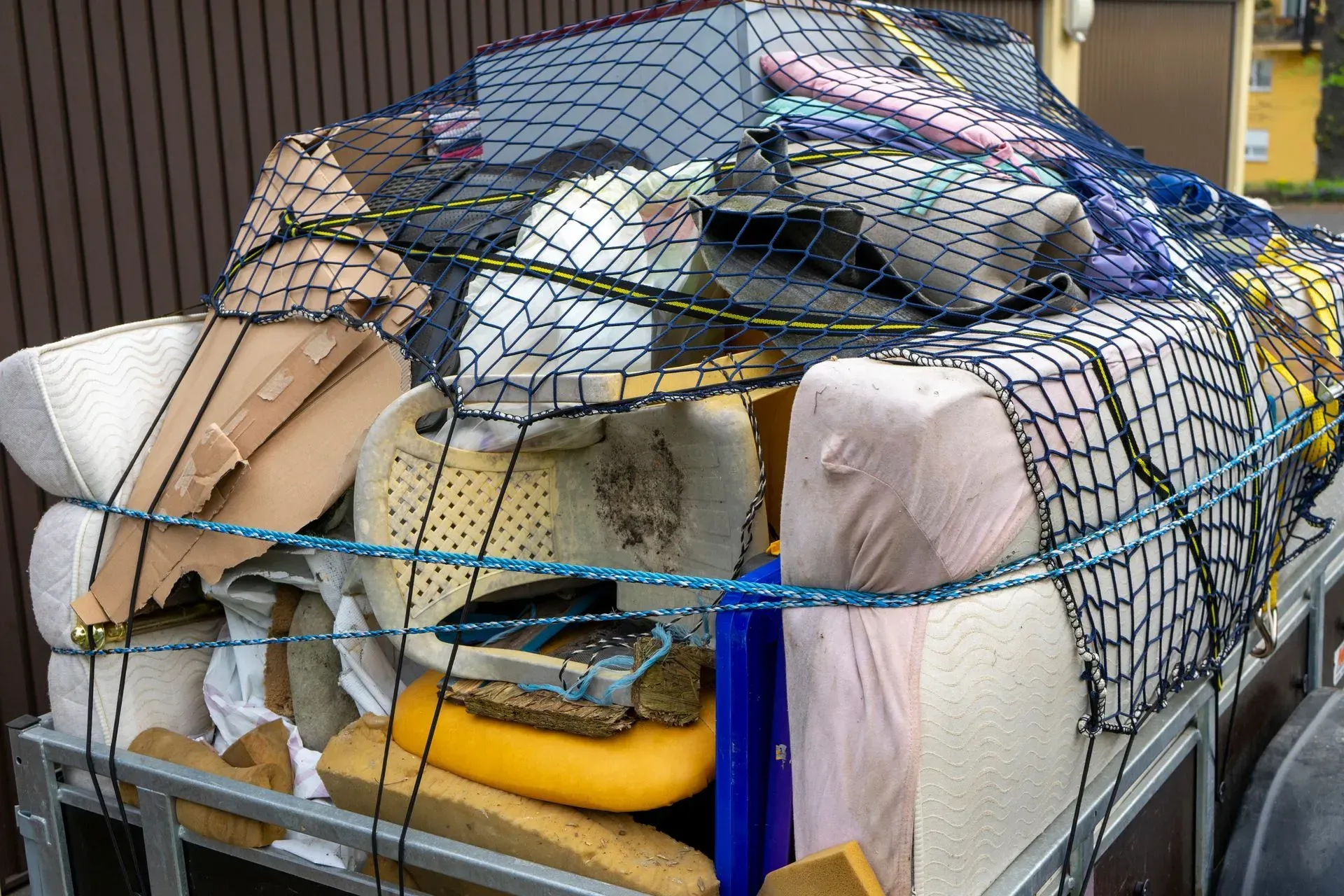
When mapping out a budget for property cleanup, most homeowners focus exclusively on the raw gate fees charged by the county dump. However, the true financial footprint of a self-managed run spans a much broader list of uncalculated expenses. Unless you happen to own a commercial-grade heavy-duty dump truck, a major cleanout will immediately require renting a heavy utility trailer or an industrial box truck, both of which incur daily rental fees, mandatory insurance coverages, and significant mileage surcharges.
Even if you have access to a personal pickup truck, heavy hauling places intense mechanical strain on your personal asset. Moving thousands of pounds of dense household debris subjects your truck's brake pads, transmission system, leaf-spring suspension, and tires to severe structural fatigue that accelerates your routine maintenance timelines. When you calculate these compounding automotive depreciation variables alongside the soaring cost of fuel required for multiple cross-town transit runs, the perceived financial advantage of a self-managed project begins to evaporate.
Landfill Tipping Fees and Strict E-Waste Surcharges
Municipal landfills and private waste management facilities do not offer flat, predictable pricing. Instead, modern commercial transfer stations calculate their billing metrics using complex tier systems based on material category and certified weight scales, commonly referred to in the industry as tipping fees. For mixed, un-sorted loads, these per-ton gate costs can surprise property owners who are unprepared for the true weight of old furniture and accumulated household junk.
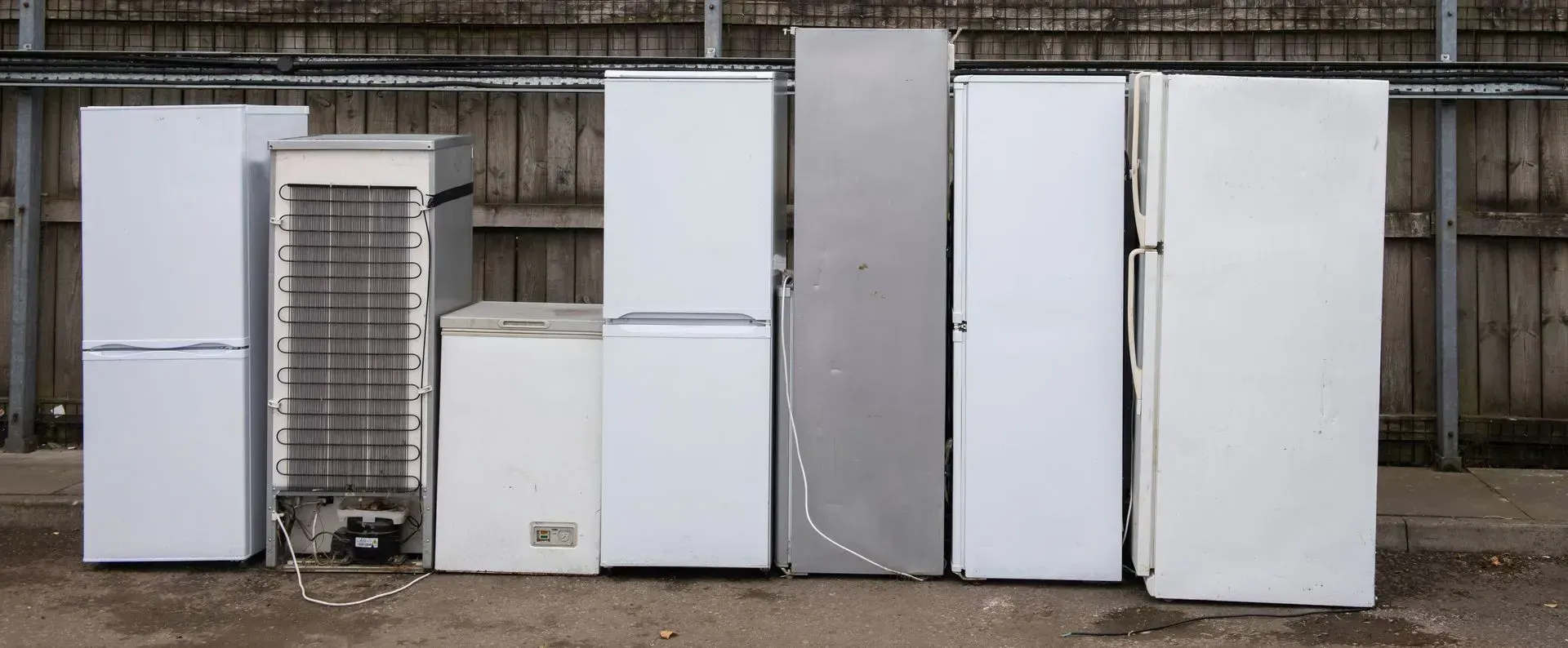
Furthermore, environmental protection mandates have made bulk disposal a regulatory maze for regular citizens. Landfills strictly prohibit or impose steep environmental surcharges on specific item classes. Refrigerators, freezers, and air conditioners require dedicated certified extraction fees to neutralize hazardous Freon refrigerants, while electronics, lithium batteries, commercial paints, and construction materials like drywall and asphalt shingles require entirely separate, dedicated drop-off points. Navigating these regional regulations independently requires immense research and frequently leads to unexpected fines or rejected loads at the scale house.
Managing Physical Liabilities and Property Damage Risks
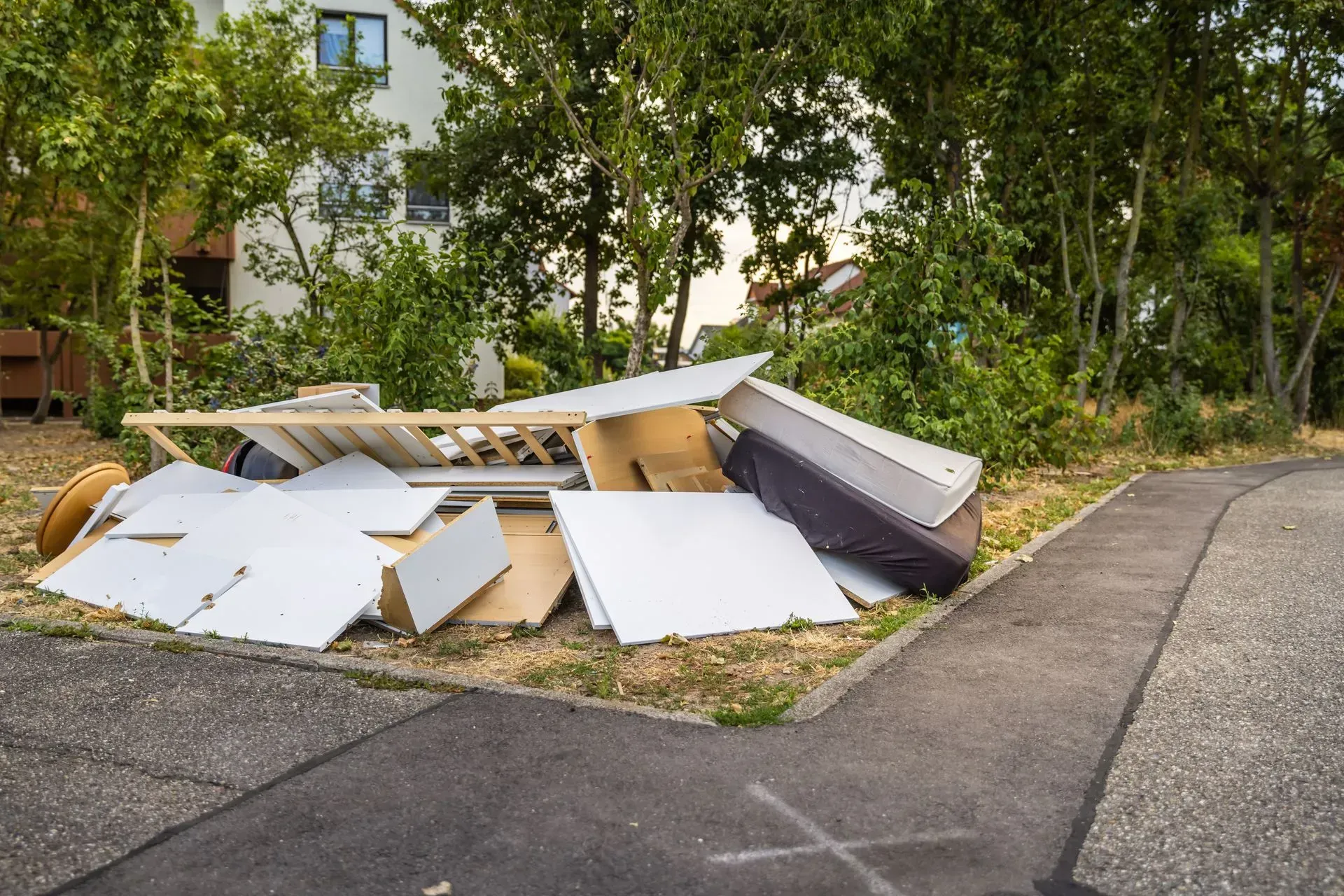
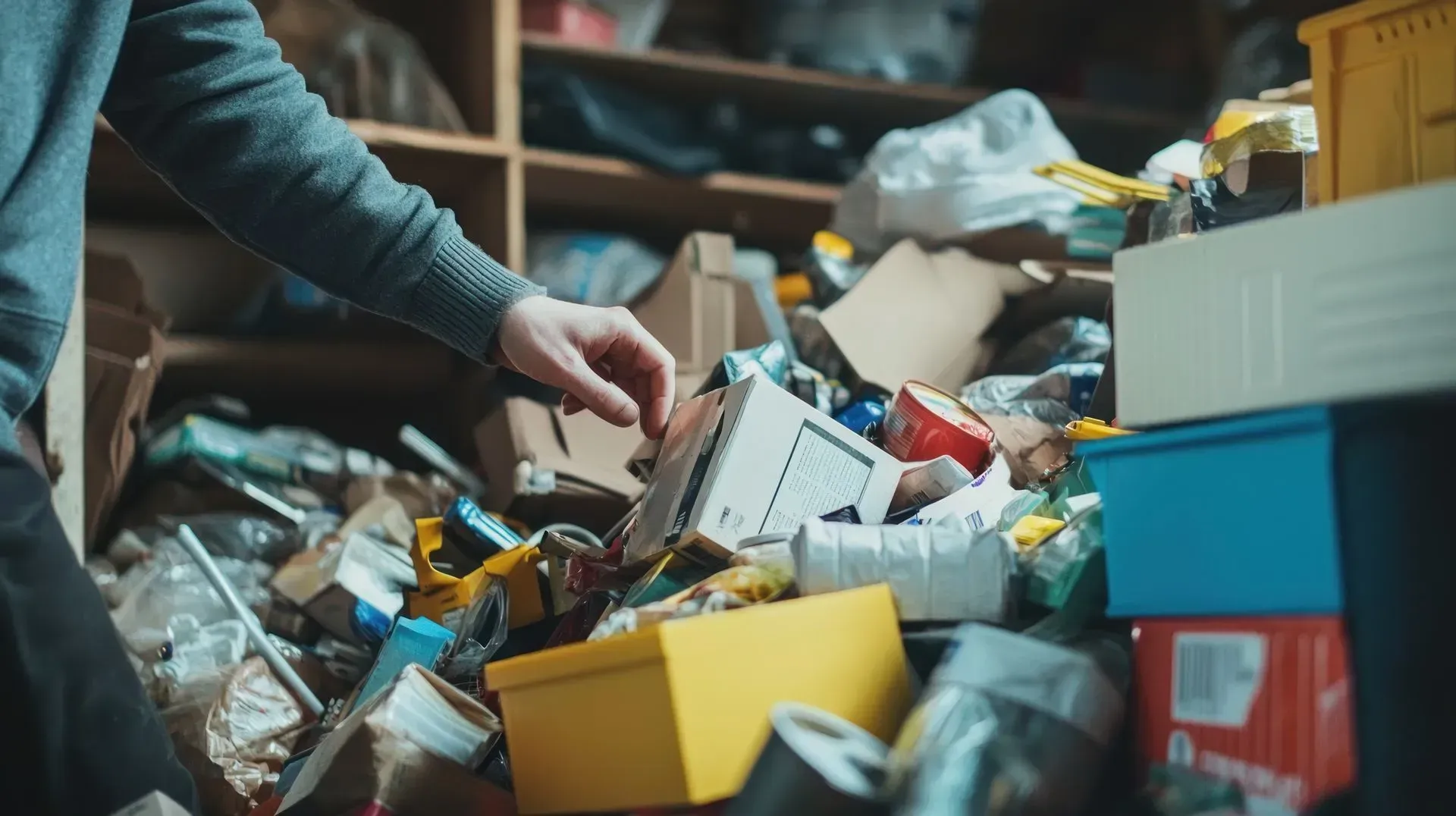
The manual labor required to execute an estate, basement, or garage cleanout carries substantial physical risks. Manipulating oversized, heavy objects like cast-iron appliances, solid-wood armoires, and bulky mattresses down narrow stairwells or through tight doorways demands specialized lifting techniques, protective equipment, and experienced manpower. Without proper training, property owners expose themselves to debilitating acute injuries, including severe lumbar strains, muscle tears, deep lacerations, and dangerous falls.
Beyond personal bodily harm, inexperienced lifting frequently results in extensive structural damage to the home itself. Dropping a piece of heavy furniture can permanently gouge premium hardwood floors, smash through drywall, shatter light fixtures, or deeply scratch custom door frames. Repairing internal cosmetic or structural property damage post-haul instantly negates any marginal savings achieved by avoiding professional help. Opting for a full-service crew shifts these entire physical and structural liabilities completely away from you and onto a fully bonded, insured enterprise.
The Time Investment: Valuing Your Personal Labor
The single most significant oversight in the self-managed equation is the miscalculation of personal time. A standard home cleanout is rarely a simple, one-stop process. It requires a lengthy lifecycle: carefully staging and sorting items, loading the vehicle, meticulously strapping down the cargo to prevent dangerous highway shifting, driving long distances to the nearest landfill, waiting in long commercial scale lines, manually unloading the mass into dusty bins, and returning home to repeat the cycle all over again.
For an extensive property cleanout, this exhausting routine can easily consume an entire Saturday and Sunday, stripping you of your valuable weekend rest. Professional
junk removal services utilize high-capacity, commercial-volume trucks operated by synchronized teams who can clear an entire home in a matter of hours. When you calculate your own personal hourly labor value against the total time spent managing logistics, hiring professionals transforms from an elite luxury into a smart, highly efficient time-allocation strategy.
When Does a Self-Managed Run Make Sense?
To be fair, managing your own hauling is not always an inefficient choice. Taking care of your own debris disposal can be a practical, satisfying option if you are handling a minimal volume of lightweight clutter, clearing away basic yard clippings, or simply disposing of a few bags of unneeded household items. If you own an appropriate utility vehicle, have ample free weekend hours, and live within close proximity to an affordable civic disposal site, managing a minor cleanout yourself can provide a clear financial return.
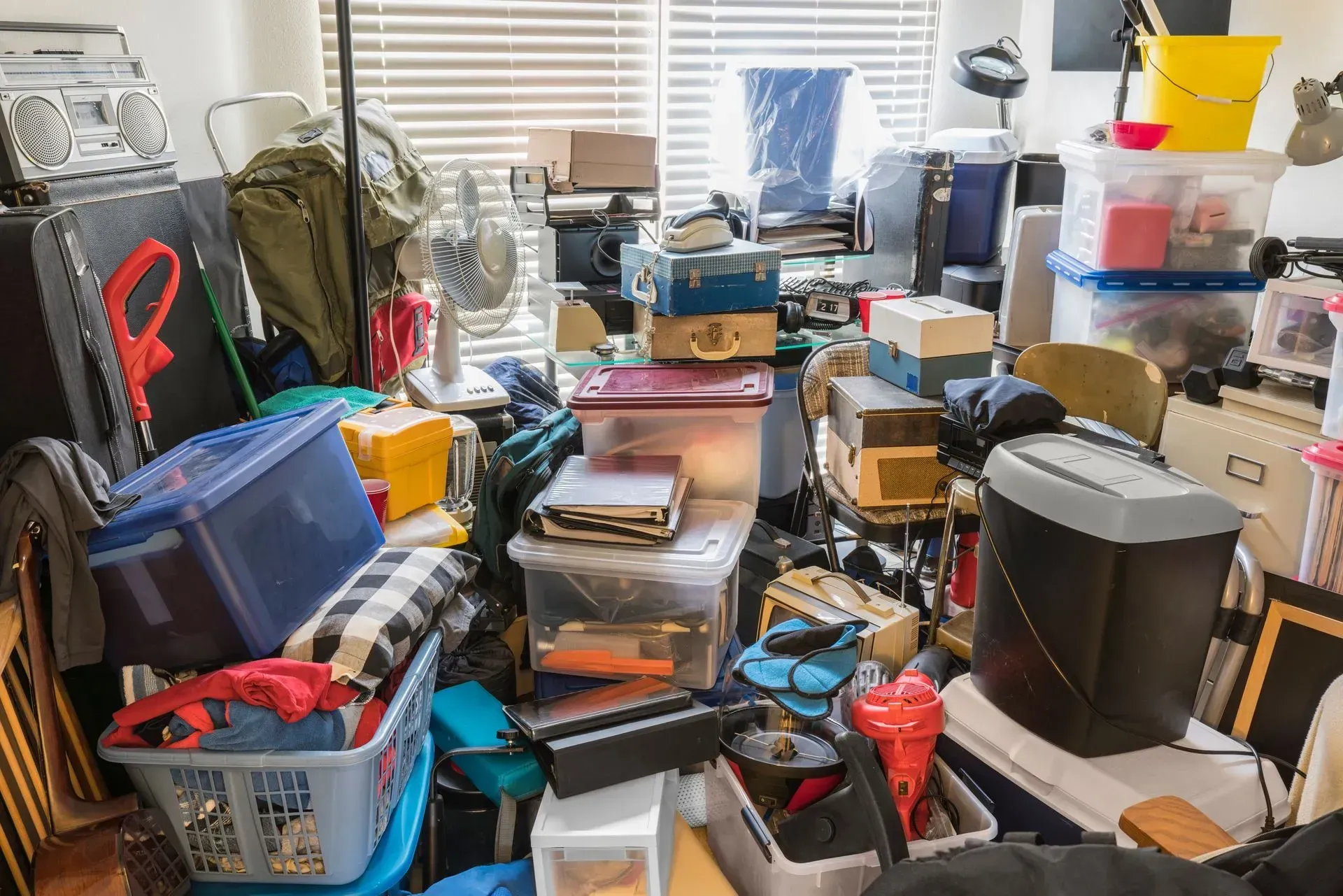
However, as the scope of your cleanout expands, the logistics compound exponentially. The moment your project involves moving commercial appliances, liquidating an entire estate, clearing out decades of basement storage, or managing extensive renovation debris, the balance tips dramatically in favor of an industrial-scale alternative.
Reclaim Your Space with Professional Property Cleanup Services
The most cost-effective approach to any cleanup project is not always the option with the lowest upfront expense. When factors such as time, safety, equipment costs, fuel expenses, disposal fees, and potential property damage are considered, professional cleanup services often provide greater overall value than many property owners initially realize.
While smaller cleanup projects may be manageable on your own, larger cleanouts frequently benefit from experienced professionals who can complete the work safely, efficiently, and in compliance with local disposal requirements.
At
Oakline Property Maintenance, we help homeowners, businesses, landlords, and property managers throughout the Pocono region with
property cleanups,
landscaping and lawn care,
exterior maintenance,
handyman services,
light construction and
repairs, and ongoing
property maintenance solutionsexterior maintenance, handyman services, light construction and repairs, firewood delivery, and ongoing property maintenance solutions.
Whether you're clearing out an estate, preparing a rental property, managing renovation debris, or tackling a long-overdue cleanup project, our team is committed to delivering dependable service, transparent communication, and professional results.
Contact Oakline Property Maintenance today to learn more about our cleanup and property maintenance services and discover how we can help simplify your next project.