What Should You Remove From Your Yard in the Fall?
A thorough fall yard cleanup typically involves removing or managing:
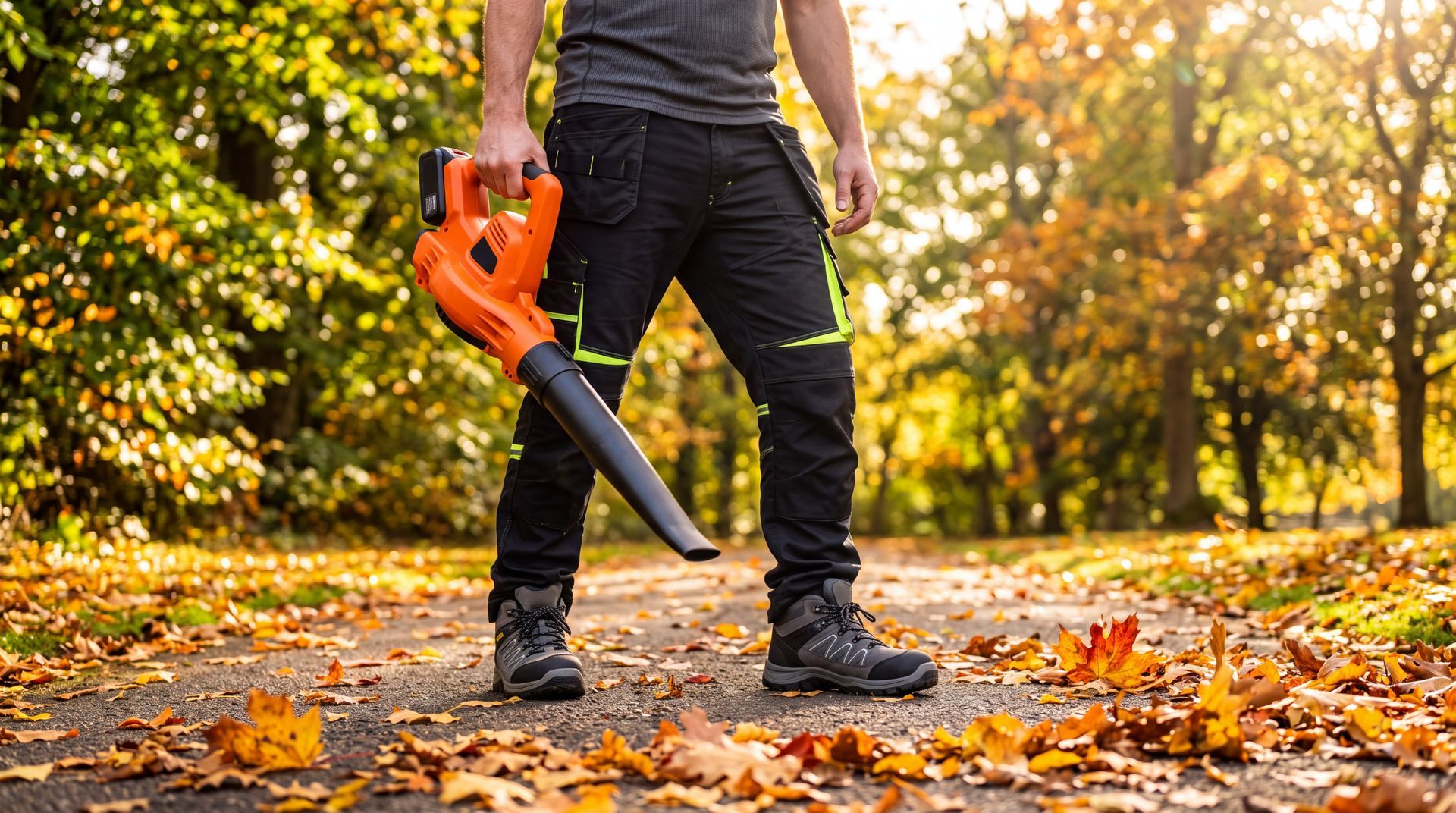
- Excess fallen leaves
- Branches and sticks
- Brush and woody debris
- Dead or spent plant material
- Seasonal landscaping debris
- Weeds and unwanted vegetation
- Debris around walkways and driveways
- Unwanted outdoor items and clutter
The exact work depends on your property. A heavily wooded lot may require more frequent leaf and branch cleanup, while a smaller residential or commercial property may need more attention around landscaped beds, entrances, walkways, and other frequently used areas.
The goal is to keep outdoor spaces organized and manageable instead of allowing an entire season's worth of material to accumulate at once.
Do You Need to Remove All Fallen Leaves?
Not necessarily.
Leaves are organic material, and there are several ways they can be managed depending on where they fall and how much accumulates.
The
U.S. Environmental Protection Agency's guidance on home composting identifies dry leaves as a carbon-rich material that can be added to a backyard compost pile. Leaves can therefore be put to productive use rather than automatically treated as trash.
However, large accumulations may still need attention, particularly where leaves collect on walkways, driveways, outdoor living spaces, landscaped areas, and other parts of the property you want to keep clear.
Instead of approaching leaf cleanup as an all-or-nothing project, consider where leaves are accumulating and how you intend to manage them.
Options may include:
- Mulching appropriate amounts of leaves
- Composting suitable leaves
- Moving leaves to designated areas
- Using local yard-waste programs where available
- Removing excessive accumulations from the property
The
Pennsylvania Department of Environmental Protection's leaf and yard waste guidance also encourages managing appropriate organic material on-site when practical, including through composting.
What Should You Do With Fallen Branches and Brush?
Leaves aren't the only material that accumulates during fall.
Wind, storms, trimming, and normal seasonal changes can leave sticks, branches, brush, and other woody debris throughout a property. Check lawns, landscaped beds, property edges, driveways, walkways, and areas around structures for material that has accumulated.
Small twigs and manageable debris may be easy to collect yourself. Larger quantities of brush or branches can quickly turn into a more substantial removal project.
The EPA classifies leaves, grass, and tree and brush trimmings as yard trimmings. Depending on the material and the options available in your area, some of this debris may be suitable for composting, mulching, or other forms of responsible management.
If branches, brush, and other debris have accumulated beyond what you can reasonably handle, professional
cleanout and removal services can make clearing the property easier.
Should Dead Plants and Garden Debris Be Removed in Fall?
Fall is a useful time to evaluate landscaped and garden areas after the growing season.
Dead annuals, spent plant material, weeds, trimmings, and other garden debris can leave beds looking cluttered. Cleaning selected material from these areas can create a more maintained appearance heading into winter.
That does not mean every plant should automatically be cut down or removed. Some perennial plants are intentionally left standing through winter, so the appropriate approach depends on what is growing on your property and your landscaping goals.
Focus on obvious unwanted material, excessive debris, weeds, and plants you know are ready for removal. If you are unsure how particular plants should be handled, identify them before cutting them back.
For properties that need more extensive seasonal attention, Oakline Property Maintenance provides
landscaping and outdoor property services to help keep outdoor areas maintained throughout the changing seasons.
Don't Forget Walkways, Driveways, Patios, and Entrances
Fall cleanup shouldn't stop at the edge of the lawn.
Leaves, twigs, and other debris frequently collect along hard surfaces and around structures. Walk the property and check:
- Driveways
- Sidewalks and walkways
- Steps
- Patios
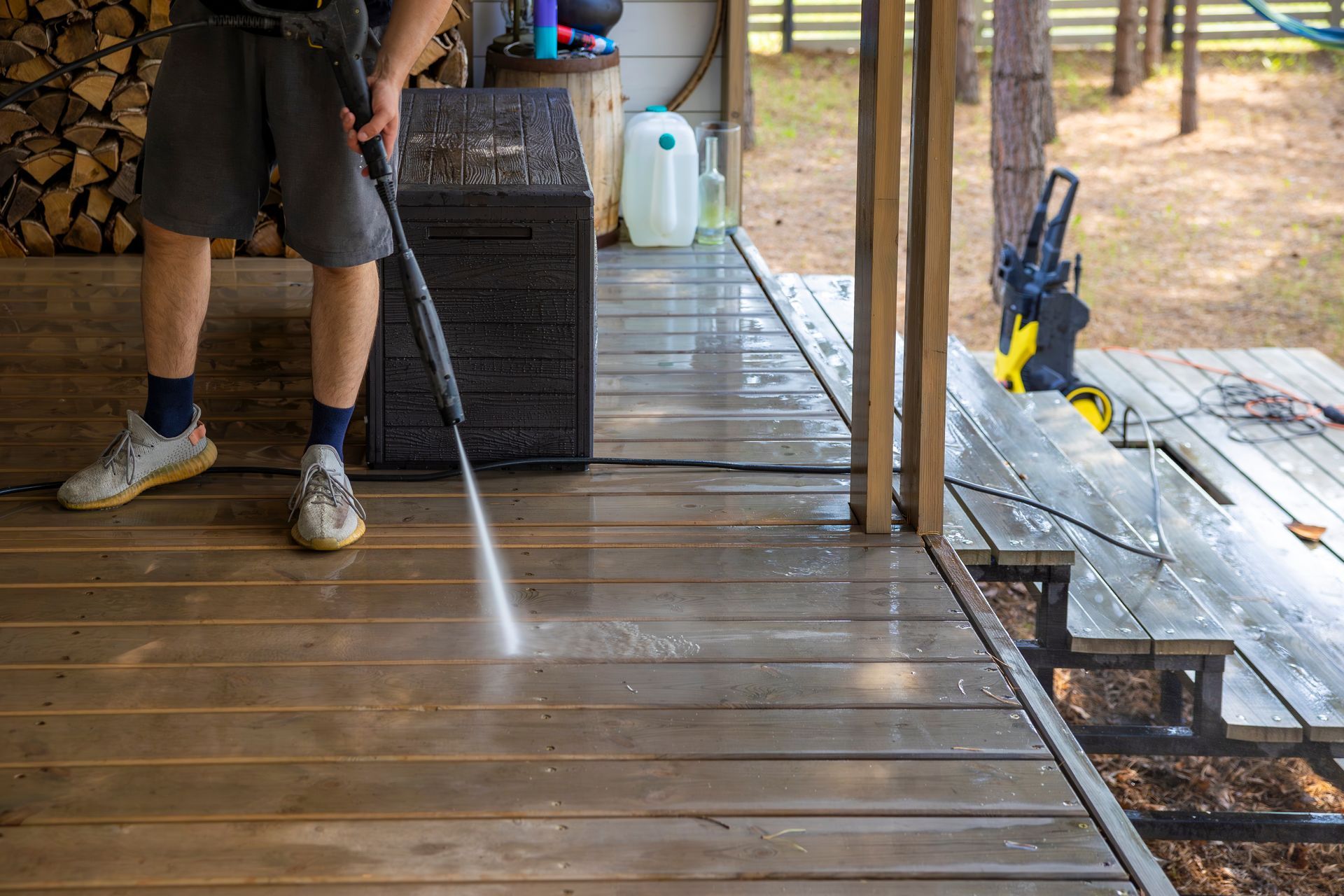
- Deck areas
- Building entrances
- Fence lines
- Areas around sheds and outbuildings
- Corners where wind pushes leaves and debris
These spaces are easy to overlook when most of your attention is on the lawn.
Regularly clearing them can also make each cleanup more manageable. Instead of waiting until late fall to deal with a large accumulation, address problem areas as material builds up.
What Outdoor Clutter Should You Deal With Before Winter?
Fall also provides an opportunity to deal with outdoor items that accumulated during spring and summer.
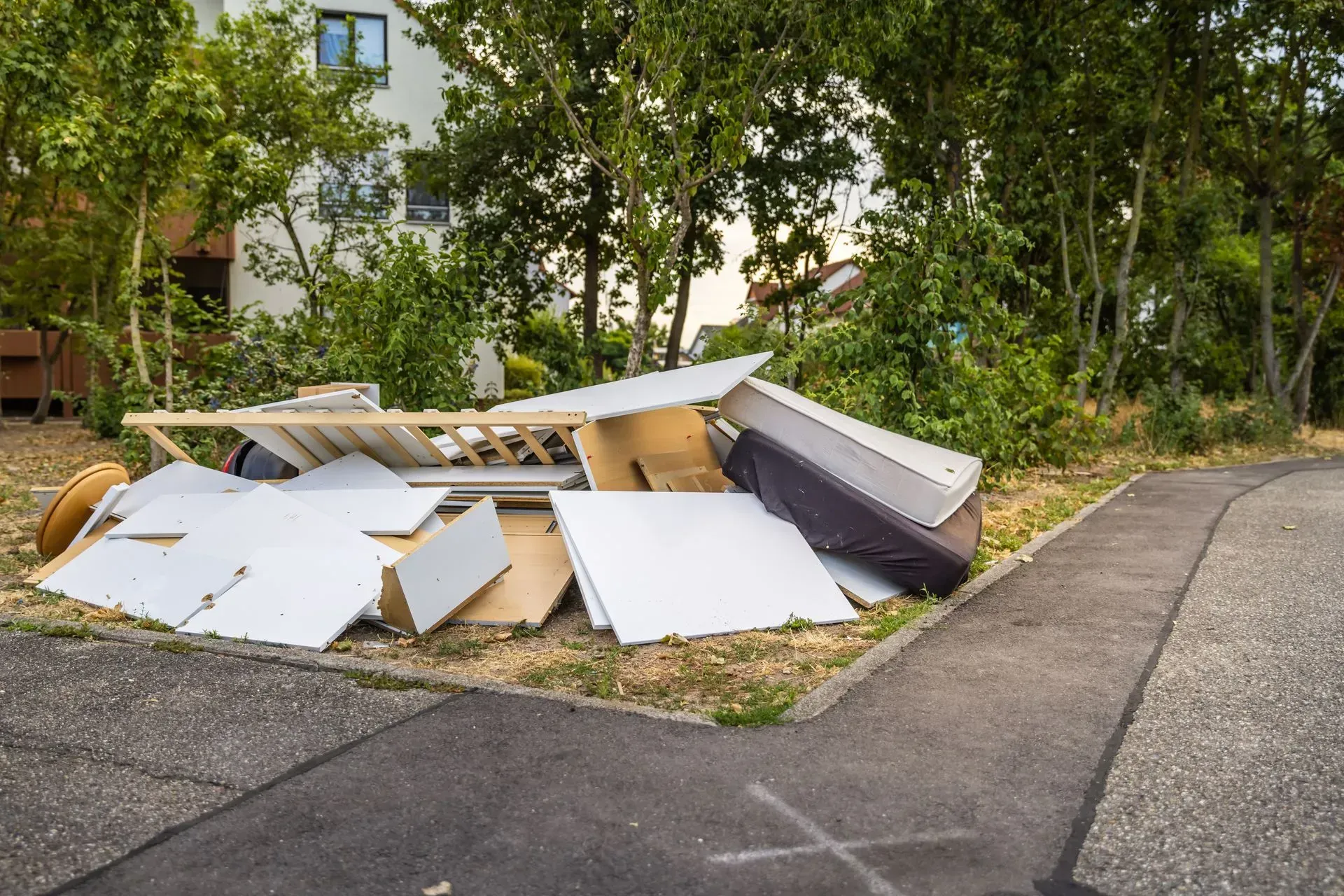
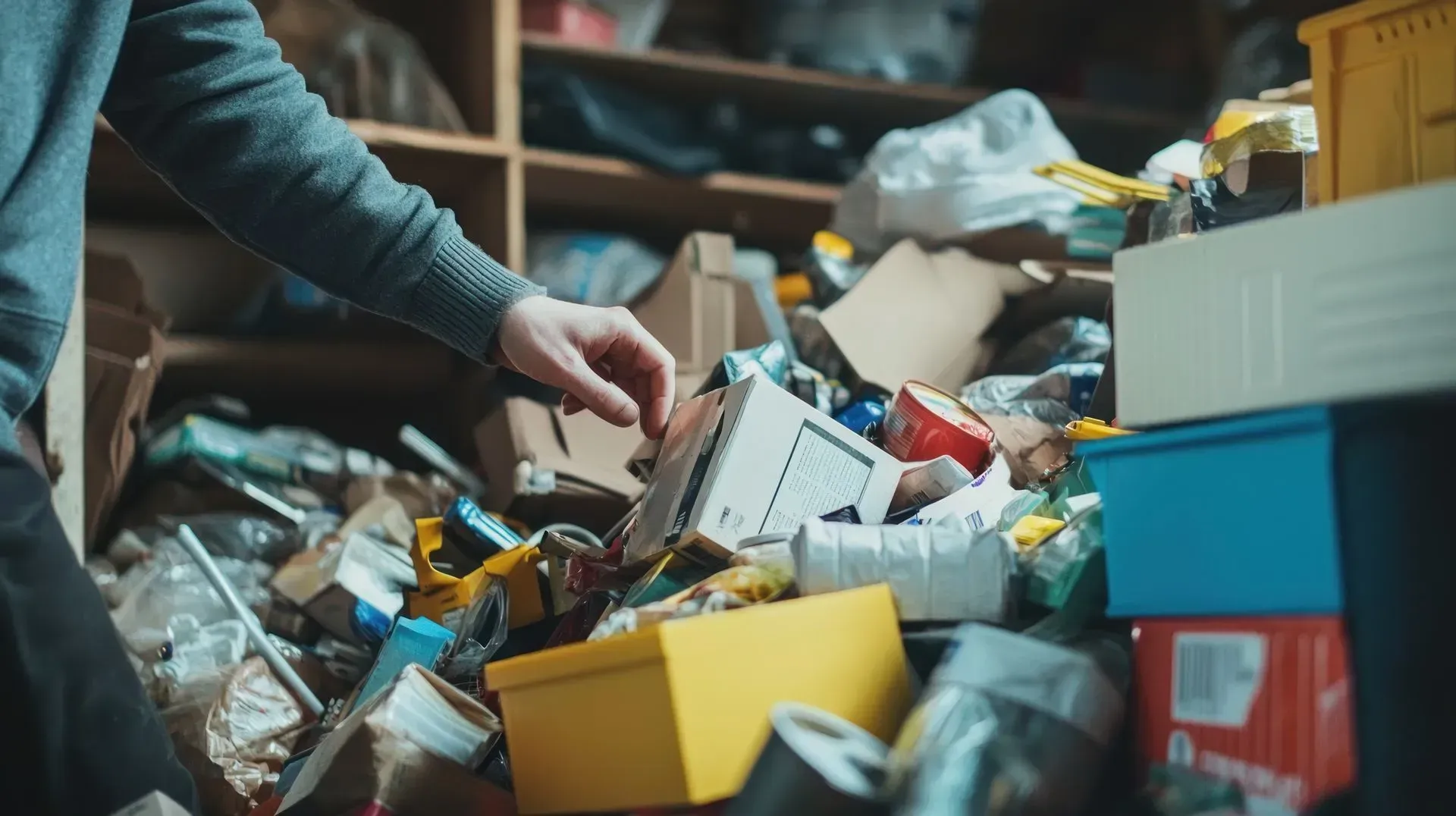
Look around decks, patios, garages, sheds, and other outdoor storage areas for things you no longer need.
Depending on the property, that could include:
- Broken outdoor furniture
- Empty planters or containers
- Leftover project materials
- Damaged lawn or garden items
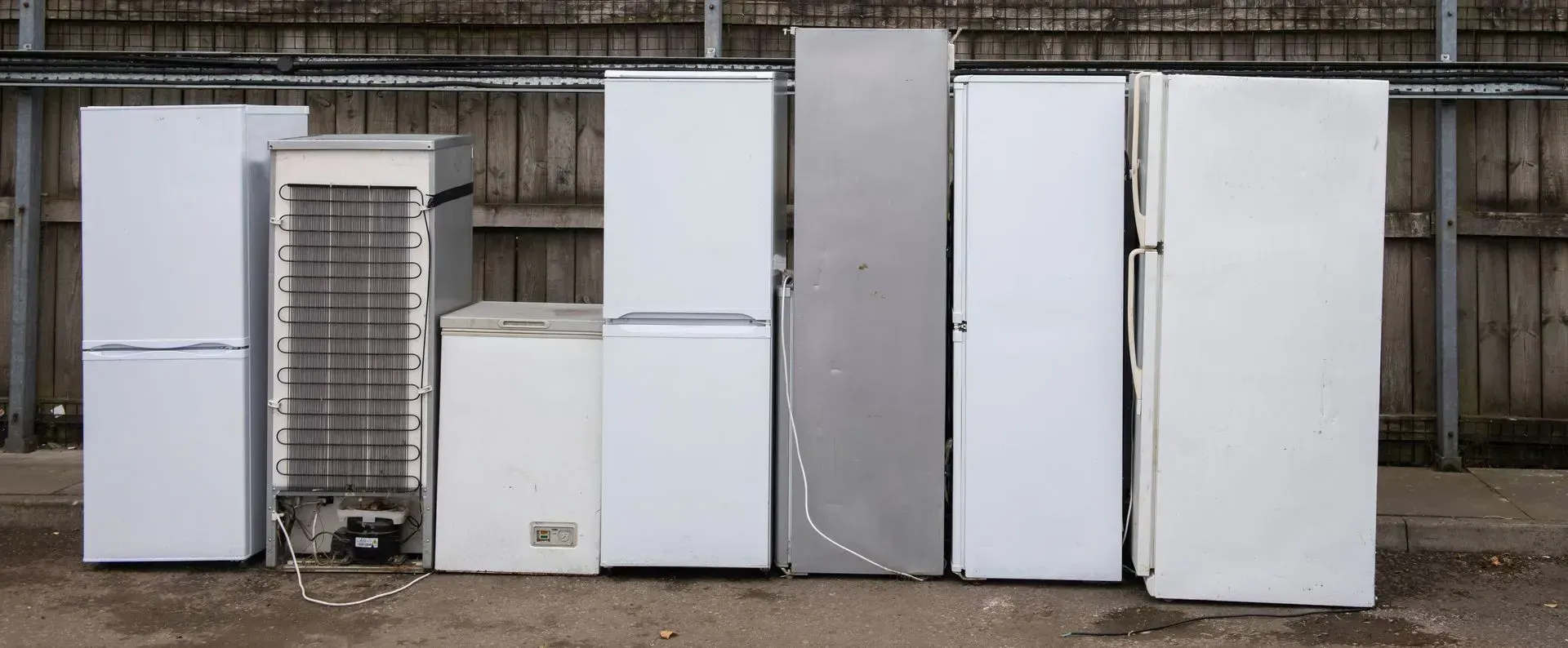
- Unwanted equipment
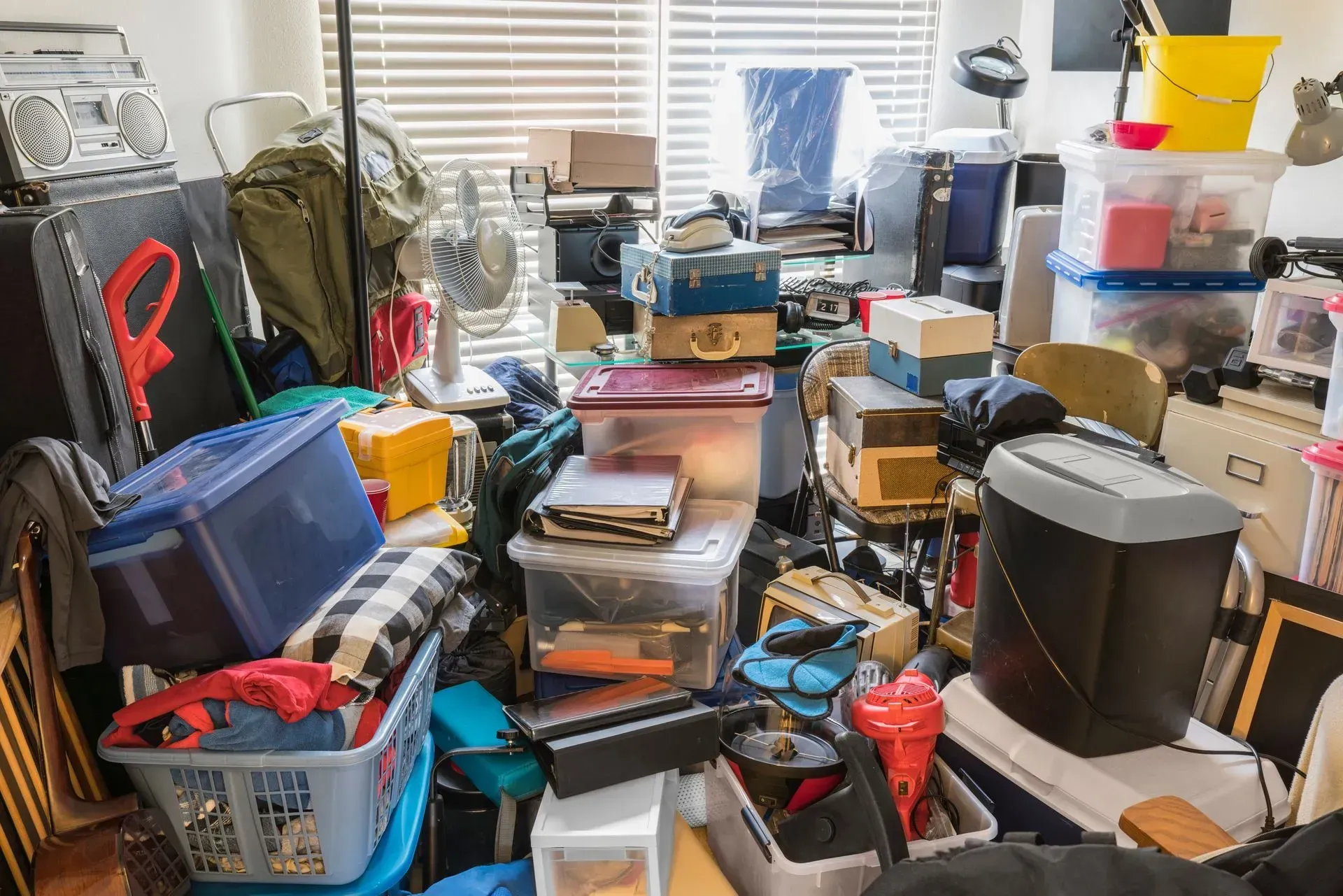
- Boxes and general clutter
- Items that should be moved into storage
Separate what you want to keep from what can be donated, recycled, or appropriately disposed of.
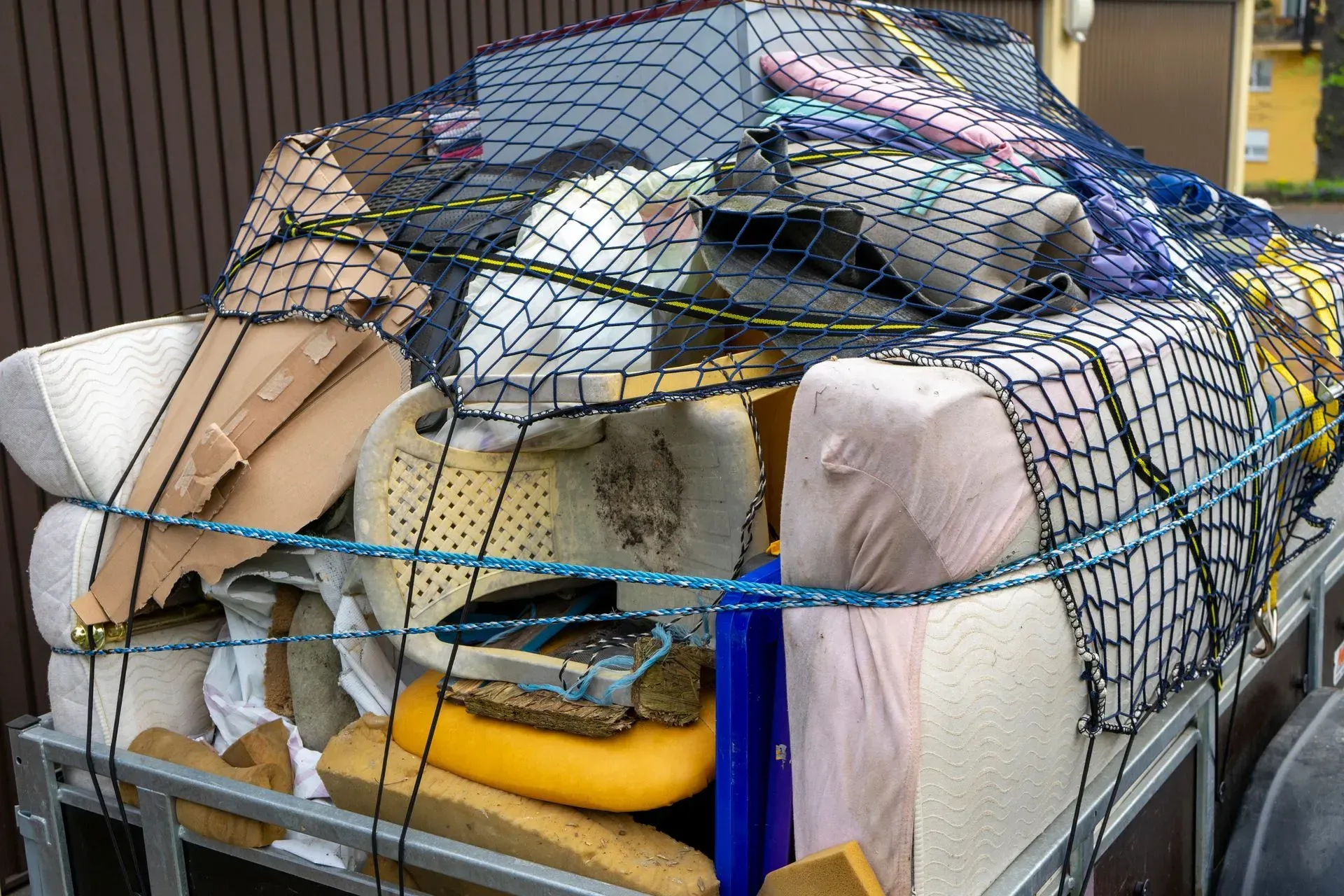
If unwanted materials have turned into a larger cleanup, Oakline's
cleanout and removal services can help clear residential and commercial properties without requiring property owners to handle the entire project themselves.
How Should You Handle Leaves and Other Yard Waste?
Not everything collected during a fall cleanup necessarily belongs in the trash.
The U.S. Environmental Protection Agency explains that organic materials such as leaves, grass clippings, and yard and tree trimmings can be composted. Composting converts suitable organic materials into a soil amendment that can later be used in yards and gardens.
Pennsylvania DEP also provides information about composting and yard-waste management within the Commonwealth.
Before disposing of yard debris, consider separating materials into categories:
Compost or mulch: Appropriate leaves and other suitable organic materials.
Recycle or repurpose: Materials accepted through appropriate local programs or that can be reused elsewhere on the property.
Remove: Unwanted debris and material that cannot reasonably remain on the property.
Local collection and disposal requirements vary, so check the rules that apply in your municipality before deciding how to handle larger quantities of yard waste.
Why Is Fall Cleanup Important for Rental and Commercial Properties?
Seasonal cleanup matters for more than owner-occupied homes.
Rental and commercial properties also accumulate leaves, branches, landscaping debris, and outdoor clutter. Keeping up with those areas can help maintain an organized, cared-for appearance for tenants, customers, employees, and visitors.
Landlords and property managers may want to pay particular attention to entrances, common areas, parking areas, walkways, landscaping, and property edges.
For businesses, fall cleanup can become part of regular exterior property maintenance rather than a single large project at the end of the season.
Oakline Property Maintenance works with homeowners, landlords, businesses, and property managers and provides
property maintenance services for both residential and commercial properties.
When Should You Start Fall Yard Cleanup?
Fall yard cleanup is usually easier when treated as an ongoing seasonal task rather than a one-day project.
You can begin once leaves and seasonal debris start accumulating and continue as needed throughout the season.
Early in fall, focus on light leaf accumulation, spent vegetation, and existing debris. As more leaves drop, increase attention to lawns, landscaping, walkways, driveways, and collection areas. Later in the season, complete a more thorough cleanup of remaining debris before winter conditions make outdoor work less convenient.
The amount of work required will depend heavily on the property. Heavily wooded properties may need several cleanups, while properties with fewer mature trees may need much less frequent attention.
When Should You Hire a Fall Cleanup Service?
Some fall cleanup projects are manageable with a rake, a few bags, and an afternoon of work. Others require considerably more time and effort.
Professional help may make sense when:
- The property is large or heavily wooded
- Leaves and debris have accumulated significantly
- There are substantial amounts of brush or branches
- Landscaping needs seasonal attention
- Outdoor clutter also needs to be removed
- You maintain multiple properties
- You manage a rental or commercial property
- You simply don't have the time or equipment to complete the cleanup yourself
Oakline Property Maintenance provides landscaping, seasonal cleanup, property maintenance, cleanout, and removal solutions for residential and commercial properties throughout Northeast Pennsylvania and surrounding service areas.
Whether you need help cleaning up seasonal debris or have several outdoor projects to tackle before winter, our team can help get the property cleaned up and ready for the season ahead.
Contact Oakline Property Maintenance today to request a free estimate for your fall property cleanup.