How to Prepare a Vacant or Rental Property for Winter
Preparing a vacant home or rental property for winter requires more than locking the doors and turning down the thermostat. When a property sits empty during colder months, freezing temperatures, snow, ice, moisture, and unexpected maintenance problems can go unnoticed until significant damage has occurred.
To winterize a vacant property, owners should protect plumbing, maintain appropriate indoor heating, inspect the building exterior, clear access areas, secure outdoor belongings, and arrange regular property checks. These precautions can help reduce the risk of costly repairs and keep the property in better condition until it is occupied again.
Whether you own a vacation home, manage rental properties, or are responsible for a temporarily vacant residence, having a winter preparation plan can make seasonal property management easier.
Why Is Winter Preparation Important for Vacant Properties?
Occupied homes receive regular attention. Residents notice when a room feels unusually cold, a pipe starts leaking, or water appears near a window.
Vacant properties do not have that same level of daily observation.
During winter, even a relatively small problem can become more serious if nobody is present to address it.
Common winter concerns include:
- Frozen or burst plumbing pipes
- Heating system malfunctions
- Snow and ice accumulation around entrances
- Moisture entering through damaged exterior areas
- Fallen branches or storm debris
- Unsecured outdoor equipment and belongings
- Maintenance problems that remain unnoticed between visits
For landlords and vacation rental owners, these issues can also interfere with future bookings, tenant move-ins, or planned property improvements.
Taking preventive steps before freezing weather arrives can help reduce these risks.
What Should Be Included in a Vacant Property Winter Checklist?
A vacant property winter checklist should cover the building's essential systems, exterior conditions, accessibility, security, and ongoing monitoring.
Before winter arrives, property owners should:
- Confirm that the heating system is working properly.
- Arrange appropriate plumbing protection against freezing temperatures.
- Inspect doors, windows, and visible exterior areas for damage.
- Check gutters, drainage areas, and potential water entry points.
- Clear entrances, driveways, and walkways of obstacles.
- Secure outdoor furniture, equipment, and loose belongings.
- Verify locks, alarms, and emergency contact information.
- Arrange periodic property checks throughout the winter.
- Document the property's condition before an extended vacancy.
Completing these tasks can help identify maintenance concerns early and reduce the likelihood of unexpected problems during colder weather.
1. Protect Plumbing From Freezing Temperatures
Frozen pipes are one of the biggest concerns for vacant homes during winter.
When water freezes inside a pipe, it expands and can cause the pipe to crack or burst. If the damage goes unnoticed, water may spread throughout the property when the pipe thaws.
Before leaving a home vacant, property owners should determine whether the plumbing system needs to remain operational or be professionally winterized.
Depending on the property, appropriate steps may include insulating exposed pipes, maintaining sufficient heat, or arranging for a qualified plumber to drain and protect plumbing systems.
The Federal Emergency Management Agency's winter weather guidance provides additional information about preparing homes for freezing temperatures and winter storms.
If the home will be unoccupied for an extended period, consult a licensed plumbing professional about the safest winterization approach for its specific systems.
2. Make Sure the Heating System Is Ready
A functioning heating system helps protect a vacant property from extremely cold indoor temperatures.
Before winter, have the heating equipment inspected and serviced by a qualified HVAC professional when appropriate.
Property owners should also confirm that thermostats are functioning correctly and that the heating system can operate reliably during extended absences.
Avoid shutting off the heat without first establishing a proper winterization plan. Even an unoccupied property may require indoor heating to protect plumbing and other building components.
The U.S. Department of Energy's home energy checklist offers useful guidance on heating system maintenance, insulation, and energy efficiency.
For properties that will remain vacant, consider whether temperature monitoring or other appropriate alerts could help identify problems before they become more serious.
3. Inspect the Property's Exterior Before Winter
Exterior maintenance is an important part of protecting a vacant property.
Before colder weather arrives, walk around the building and look for visible problems that could become worse during winter.
Pay attention to:
- Loose or damaged exterior materials
- Gaps around doors and windows
- Damaged steps, railings, or walkways
- Areas where water collects near the building
- Overgrown vegetation touching exterior surfaces
- Loose items that could shift during high winds
- Visible signs of damage around drainage areas
Any suspected roofing, structural, or major drainage problems should be evaluated by the appropriate qualified contractor.
For general exterior upkeep, Oakline Property Maintenance offers exterior maintenance services to help property owners keep outdoor areas clean, functional, and well-maintained.
Addressing visible maintenance concerns before winter can make a vacant property easier to manage throughout the colder months.
4. Keep Driveways, Walkways, and Entrances Accessible
Even when nobody is living at a property, maintaining accessible entrances remains important.
Landlords, maintenance professionals, emergency responders, and authorized visitors may still need to reach the building during winter.
Before snow and ice become regular concerns, inspect driveways, walkways, stairs, and other access points.
Remove obstacles, identify damaged walking surfaces, and determine how winter access will be maintained.
For rental properties, clarify who is responsible for snow and ice management under applicable lease terms, local requirements, and property agreements.
Accessible outdoor areas also make it easier to complete property checks after severe weather.
5. Secure Outdoor Furniture, Equipment, and Storage Areas
Outdoor belongings that remain unsecured can become damaged during winter storms or create additional maintenance concerns.
Before leaving a property vacant, inspect patios, decks, sheds, garages, and other outdoor storage spaces.
Move or secure items that could be affected by snow, ice, or strong winds.
This may include seasonal furniture, lightweight decorations, gardening equipment, empty containers, and other loose belongings.
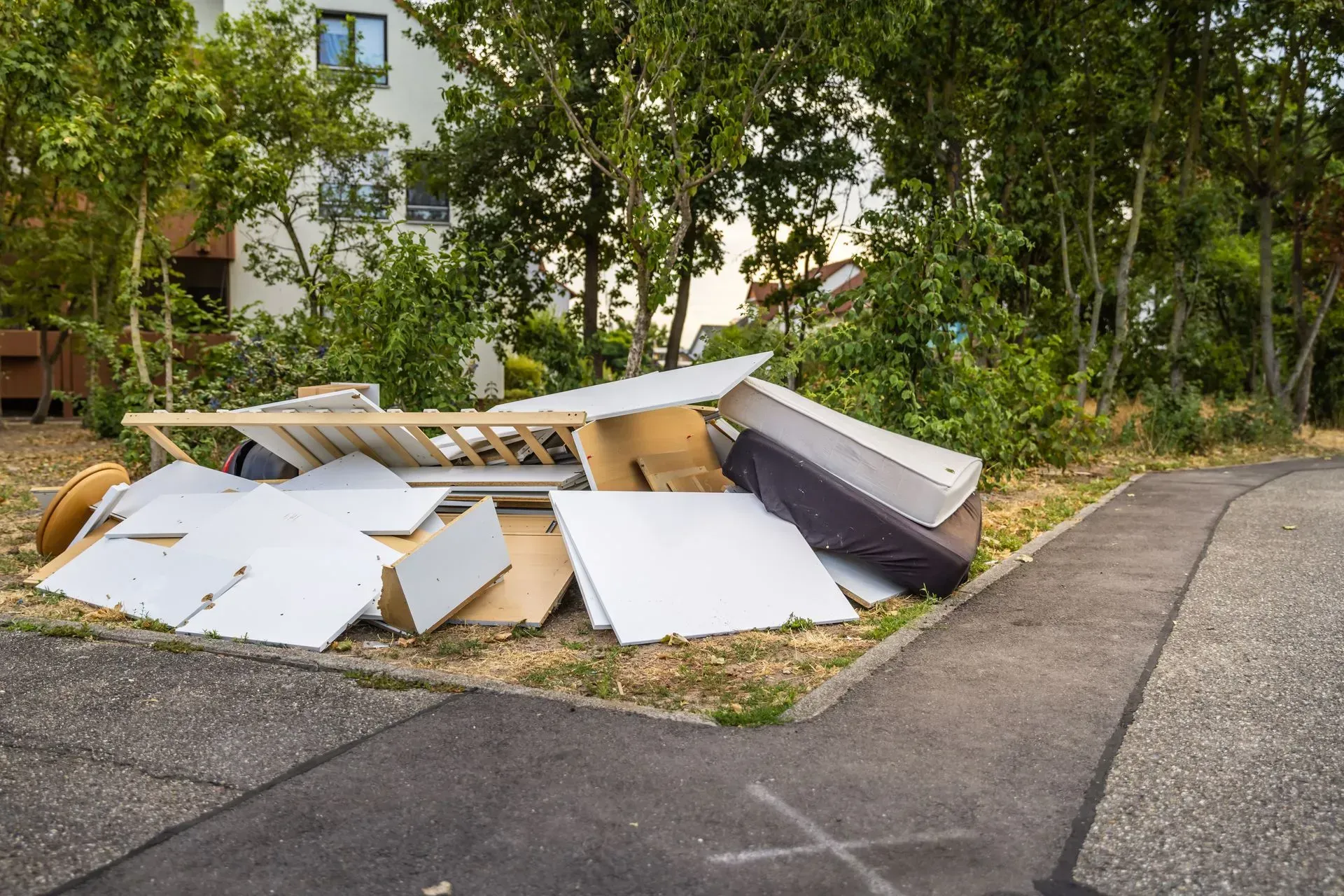
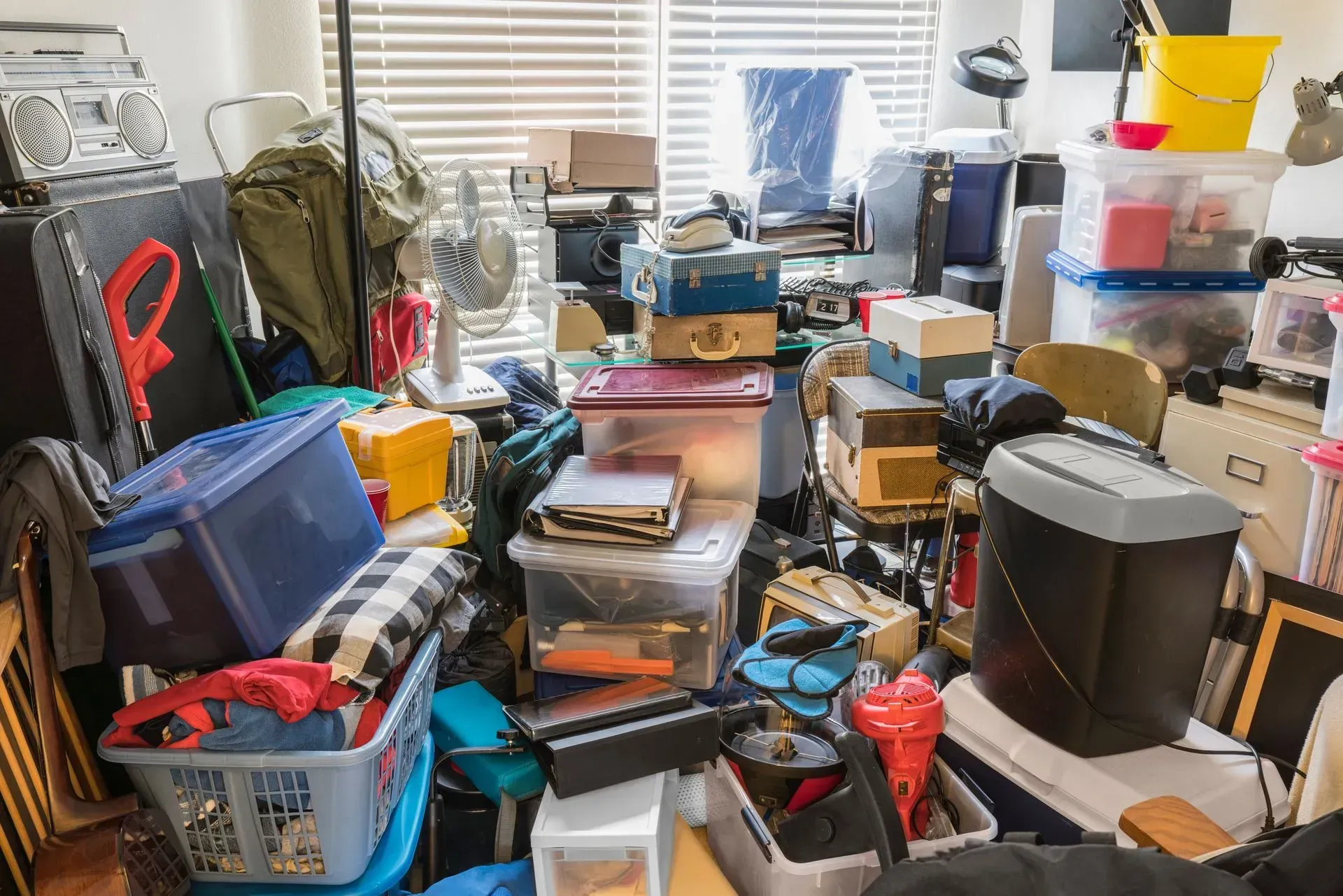
If a vacant property has accumulated unwanted items, a professional cleanout may help restore usable storage space before winter.
Oakline's cleanout and removal services can assist with clearing unwanted belongings, debris, and materials from residential and commercial properties.
Keeping storage areas organized can also make future maintenance visits and property turnovers more manageable.
6. Arrange Regular Property Checks During Winter
One of the most important parts of maintaining a vacant property is making sure someone checks on it periodically.
A property that appears secure in October may experience unexpected issues after several weeks of freezing temperatures or a major winter storm.
Property owners should establish an inspection schedule appropriate for the building's condition, location, insurance requirements, and expected vacancy period.
During a property check, an authorized person may look for:
- Signs of water leaks or moisture
- Unusual indoor temperatures
- Visible exterior damage
- Blocked or inaccessible entrances
- Storm debris around the building
- Signs of unauthorized entry
- Other changes requiring professional attention
After significant winter weather, an additional inspection may be necessary.
Important: Review your property insurance policy before leaving a home unoccupied. Some policies include specific vacancy conditions, inspection requirements, or coverage limitations.
Property checks should be arranged with a responsible person or qualified service provider. Do not assume routine exterior maintenance includes interior inspections, security monitoring, or emergency response.
How Should Landlords Prepare Rental Properties for Winter?
Rental property winter maintenance depends on whether the building is occupied, temporarily vacant, or awaiting a new tenant.
For an occupied rental, landlords should communicate clearly with tenants about reporting heating problems, leaks, unsafe exterior conditions, and other winter maintenance concerns.
For a vacant rental, additional attention may be needed because nobody is living inside the property to notice developing problems.
Landlords and property managers should consider:
- Confirming that utilities and heating arrangements are appropriate
- Documenting the property's condition after a tenant moves out
- Completing necessary maintenance before a new tenancy
- Arranging access for authorized contractors
- Clarifying responsibilities for winter exterior upkeep
- Maintaining emergency contact information
- Scheduling inspections consistent with insurance and legal requirements
A written maintenance plan can help property owners stay organized, particularly when managing multiple rental units.
What About Vacation Homes and Seasonal Properties?
Vacation homes present additional challenges because they may be occupied only occasionally during winter.
A property might remain empty for several weeks before guests or family members return.
For seasonal properties, preparation should account for both extended vacancy periods and the possibility of future occupancy.
Owners should confirm that heating and plumbing arrangements are suitable for the intended use, that essential systems are working, and that the property can be accessed when needed.
It is also helpful to create a reopening checklist for anyone arriving after an extended absence.
That checklist may include checking indoor temperatures, inspecting visible plumbing areas, confirming utilities are functioning, and looking for signs of damage before the property is fully occupied.
For vacation rental owners, consistent property maintenance can help keep outdoor areas presentable and reduce last-minute maintenance concerns between bookings.
When Should You Start Winterizing a Vacant Property?
Ideally, winter preparation should begin in early to mid-fall, before temperatures regularly fall below freezing.
October is a practical time for many property owners to inspect exterior areas, schedule professional services, review winter maintenance responsibilities, and address outstanding concerns.
However, the best timing depends on the property's location, weather conditions, and how long it will remain unoccupied.
In areas with colder temperatures and frequent winter storms, waiting until the first significant snowfall may leave too little time to complete necessary work.
If a property becomes vacant during winter, preparation should begin immediately rather than waiting for a more convenient season.
When Should You Hire a Property Maintenance Professional?
Not every winter preparation task requires professional assistance, but managing a vacant or rental property can involve more work than many owners expect.
Professional help may be useful when:
- You live far from the property
- You manage multiple rental homes
- Exterior areas require maintenance
- Outdoor debris or unwanted belongings need removal
- A property needs attention between tenants
- You have several maintenance projects to complete before winter
Some tasks, including specialized plumbing, heating, roofing, and electrical work, should be handled by appropriately qualified professionals.
For exterior upkeep and cleanup projects, Oakline Property Maintenance provides dependable property solutions for homeowners, landlords, businesses, and property managers.
Our property cleanup services can help address outdoor debris and cleanup needs, while our exterior maintenance and removal services support other seasonal property projects.
What is the first step in winterizing a vacant property?
Start by evaluating the heating and plumbing systems. Determine whether the home will remain heated or require professional plumbing winterization, then address exterior maintenance and security concerns.
Should you turn off the heat in a vacant house during winter?
Not without an appropriate winterization plan. Unheated homes can experience frozen pipes and other cold-weather damage. Consult qualified professionals to determine suitable heating and plumbing precautions.
How often should a vacant property be checked during winter?
Inspection frequency depends on the property's condition, location, insurance requirements, and weather exposure. Establish a regular schedule and consider additional checks after significant winter storms.
Is winter preparation different for rental properties?
Yes. Rental property owners must also consider tenant responsibilities, lease agreements, occupancy schedules, access arrangements, and applicable maintenance obligations.
Can a property maintenance company help prepare a vacant home for winter?
Yes. Depending on the services offered, property maintenance companies may assist with exterior upkeep, cleanup, debris removal, and other seasonal projects. Specialized plumbing and heating winterization should be completed by qualified professionals.
Get Your Vacant or Rental Property Ready for Winter With Oakline
Preparing a vacant property for winter is easier when maintenance needs are identified and addressed before colder weather arrives.
From exterior property maintenance to seasonal cleanup and unwanted debris removal, Oakline Property Maintenance helps homeowners, landlords, vacation rental owners, and property managers keep their properties clean, functional, and well-maintained.
We proudly serve communities throughout Northeast Pennsylvania and Northwest New Jersey, including Monroe County, Pike County, and Sussex County.
Explore our service locations to learn more about the areas we serve.
Whether you're preparing a rental home between tenants, maintaining a seasonal property, or addressing outdoor maintenance concerns before winter, our team is ready to help.
Contact Oakline Property Maintenance for a Free Estimate and get started on your winter property maintenance projects.
Recent Posts